
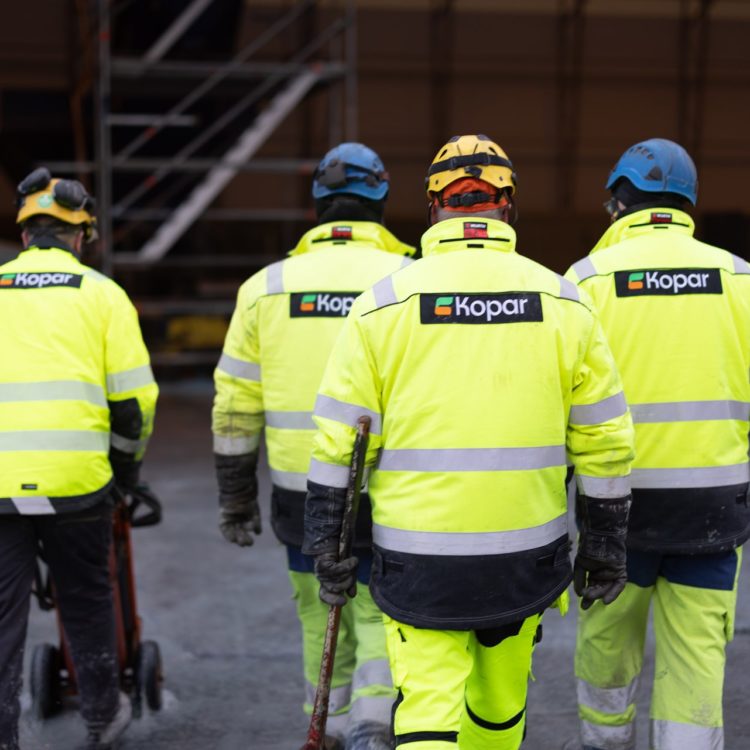
Dust accumulation in the Waste Heat Boiler causes significant operational problems that reduce system efficiency and increase operating costs. Dust accumulates on the surfaces of the heat pipes, reducing heat transfer, causing flow obstructions and increasing wear. The problem requires regular monitoring and preventive measures to maintain optimal performance.
What is WHB and why is dust accumulation a problem there?
Waste Heat Boiler is a waste heat recovery boiler that uses high-temperature flue gases from industrial processes to produce steam. Dust accumulates naturally in the WHB because the flue gases carry solid particles that stick to the surfaces of the heat pipes during cooling.
Dust accumulation is an unavoidable phenomenon in WHB systems due to the nature of the process. As hot flue gases flow past the heat pipes, the temperature drop causes dust particles to condense and stick to the surfaces. In metallurgical processes such as copper smelters, dust often contains metal particles and other by-products of high temperature reactions.
Dust sources include raw material particles, process chemicals and high temperature reaction products. These particles range in size from micrometres to several millimetres and their composition depends on the material being handled and the process conditions. The finer the dust, the more easily it adheres to surfaces and forms dense deposits.
What are the most serious impacts of dust accumulation on WHB operations?
The most serious effects of dust accumulation are deterioration of heat transfer, flow barriers and accelerating wear. The dust layer acts as an insulator on the surfaces of the heat pipes, significantly reducing heat transfer efficiency and increasing flue gas temperatures.
The loss of heat transfer is the primary problem, as even a few millimetres of dust can reduce heat transfer by several tens of percent. This leads to higher flue gas temperatures, which puts a strain on after-treatment equipment and reduces energy recovery.
Flow obstructions occur when dust accumulates unevenly and forms clogs. This causes the pressure differential in the system to increase, forcing the fans to work harder and consuming more energy. In the worst cases, flow blockages can lead to process failures or even production stoppages.
Wear and corrosion are accelerated when dust contains abrasive or chemically active substances. Metal particles can cause mechanical wear, while certain chemical compounds can initiate corrosion processes in heat pipe materials.
How does dust accumulation affect the energy efficiency and costs of WHB?
Dust accumulation increases significantly energy consumption and operating costs due to reduced heat transfer and increased flow resistance. The decrease in efficiency can be 10-30% depending on the thickness and composition of the layer.
The deterioration in energy efficiency is visible in several ways. The energy consumption of fans increases as the flow resistance increases, and heat recovery decreases due to poor heat transfer. This means that the process requires more primary energy to maintain the same level of production.
Maintenance costs will rise with increased cleaning and component replacement needs. Regular cleaning requires interruption of production, resulting in production losses. In addition, wear and tear caused by dust accumulation reduces the lifetime of heat pipes and other components.
Production disruptions can cause significant economic losses, especially in continuous processes. Unexpected downtime for repairs can cost more than regular preventive maintenance and dust control.
When does a dust build-up in the WHB require immediate action?
Immediate action is necessary when pressure difference increases above normal values, the flue gas temperature rises significantly or anomalies are detected in the flow measurements. These are clear signs of critical dust accumulation.
Critical warning signs include sudden changes in operating parameters. An increase in pressure differential above 50% from normal values indicates significant flow obstructions. An increase in flue gas temperature in the outlet pipe indicates impaired heat transfer, which may compromise aftertreatment equipment.
Safety risks increase when dust accumulation causes uneven heat distribution or hot spots in the system. These can lead to material overheating and structural damage. Particular attention should be paid to vibrations or unusual noises that may indicate a disturbance of the flow conditions.
Continuous process monitoring and regular inspections help to identify malfunctions. An automatic measuring system can alert you to critical values, but a visual inspection through manholes reveals the true extent and nature of the deposits.
How can dust accumulation in WHB systems be prevented effectively?
Effective dust prevention is based on a multi-faceted approach, which combines filtration systems, regular cleaning, process optimisation and high-quality components. Preventive measures are always more cost-effective than corrective measures.
Installing filtration systems in the flue gas stream before the WHB will significantly reduce the amount of dust entering the system. Cyclones and electrostatic precipitators can remove most of the coarser particles, thus extending the cleaning intervals of the WHB.
Regular, scheduled cleaning is key. This can include mechanical cleaning, compressed air blasting or water washing, depending on the nature of the dust and the structure of the system. Cleaning intervals are determined on the basis of operating experience and process monitoring.
By implementing process optimisation, dust generation at source can be reduced. This includes pre-treatment of raw materials, optimisation of combustion conditions and flue gas temperature control. Correct flow rates prevent dust deposition at critical points.
The use of high-quality components, such as wear-resistant coatings and optimised pipe structures, reduces dust adhesion and facilitates cleaning. Designing the system to allow efficient cleaning and inspection is essential for long-term operation.
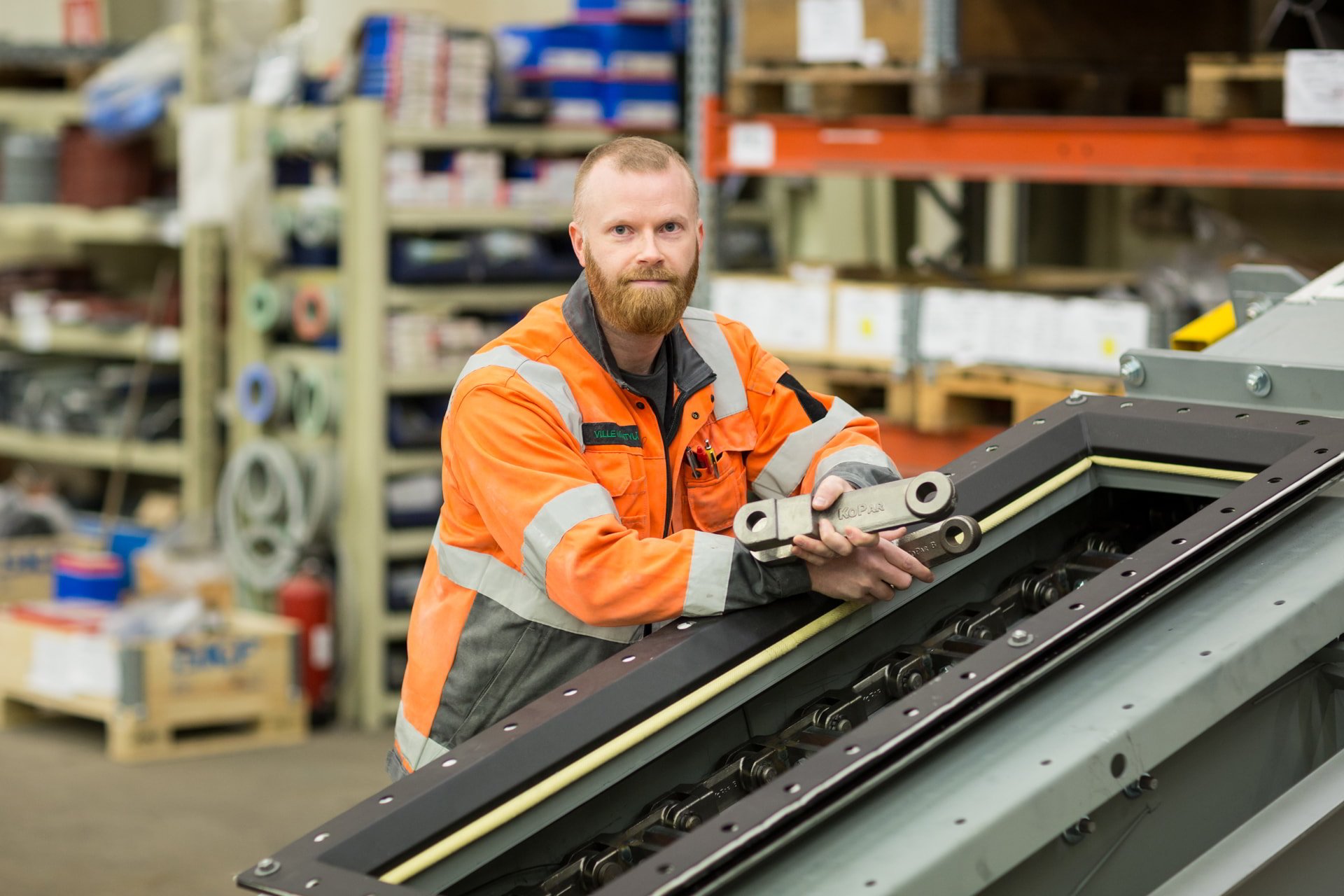
You have a challenge that needs solving?
Let us help! Contact us for more information about our products and services.