
Construction and operation of a dome valve
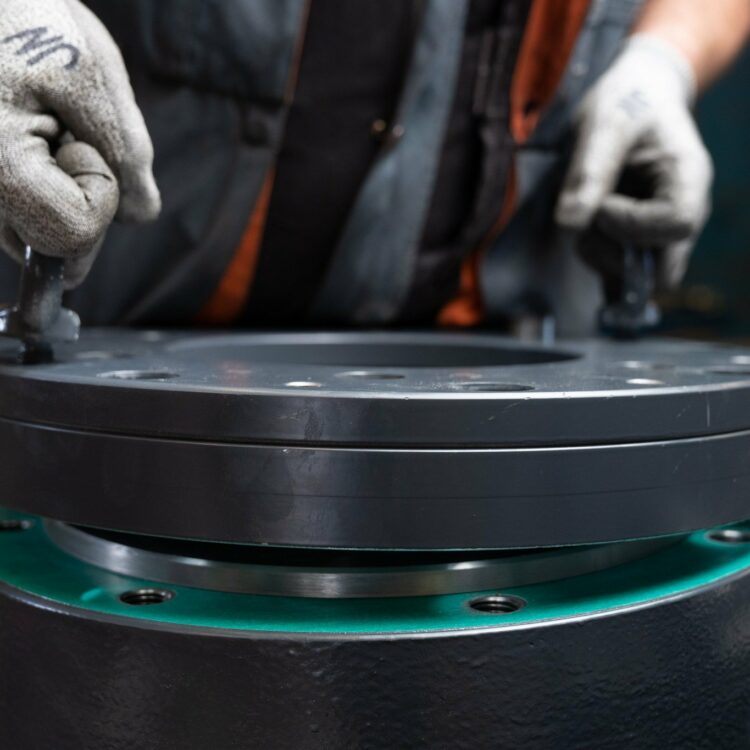
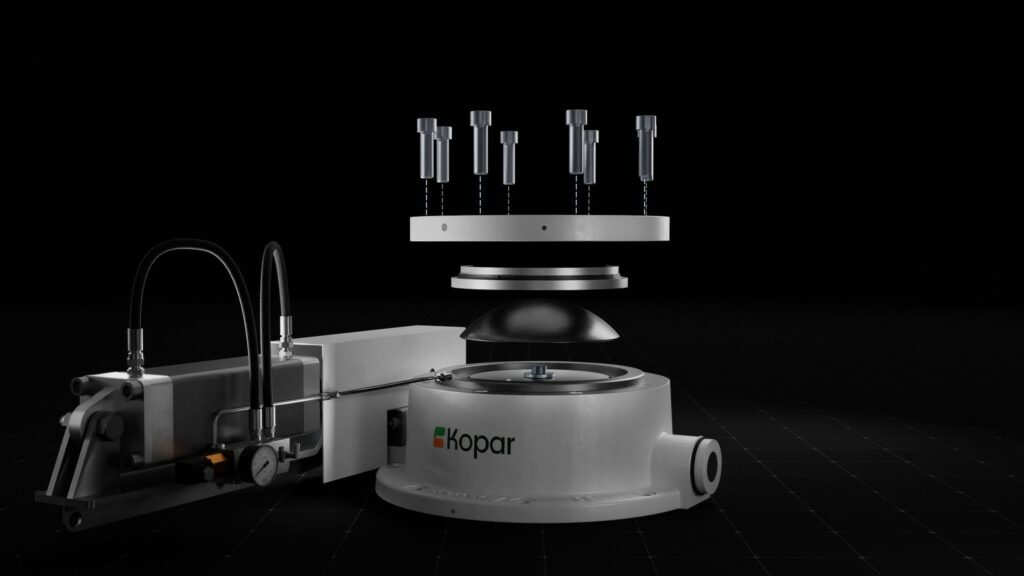
A dome valve consists of several key components, such as a dome, seals and a control mechanism. The dome is the heart of the valve, which opens and closes to control the flow of material. The seals ensure that the valve is completely tight, preventing leaks and ensuring safe operation.
The principle is simple but effective. When the valve is opened, the dome moves away from the material flow, allowing unobstructed flow. When closed, the dome returns to its position, preventing the flow of material. This mechanism makes the dome valve a highly reliable and durable solution for many industrial applications.
Advantages of a dome valve
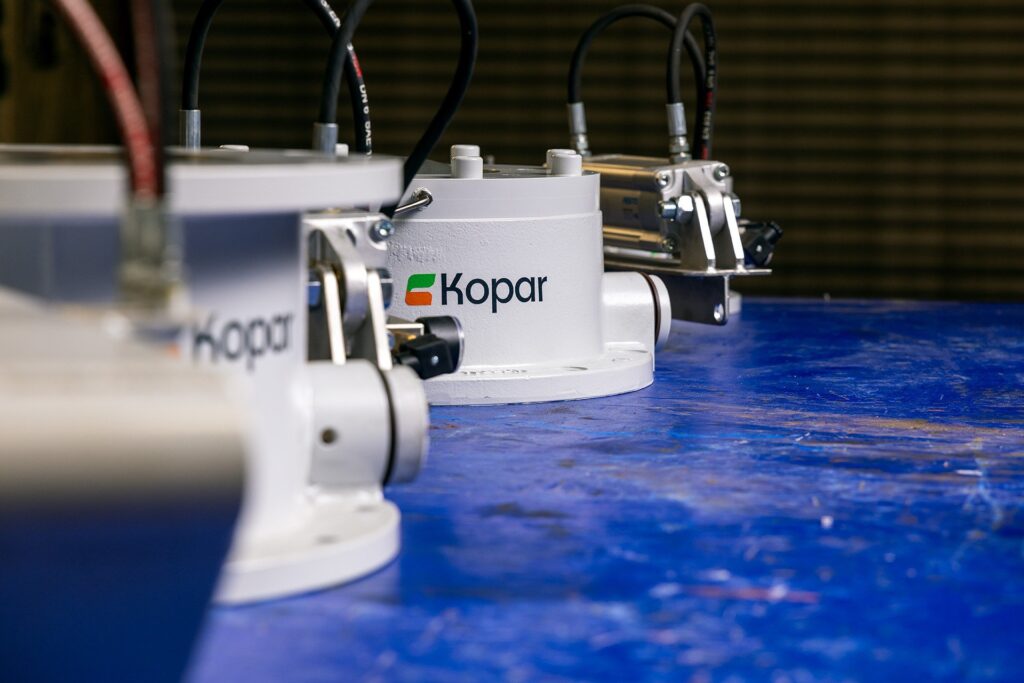
One of the most important advantage of dome valves is its durability. The valve is designed to withstand harsh conditions and abrasive materials, making it an ideal choice for many industrial environments. In addition, the valve is fully sealed, which means it ensures safety by preventing material leakage.
Another major advantage is easy serviceability. Maintenance of the dome valve is straightforward and quick, reducing downtime and improving plant efficiency. Valve replacement can be completed in as little as an hour, after which operations can resume as normal.
Places of use
Dome valves are widely used in various industries, such as metal processing, energy and chemical industries. These environments require reliable and durable flow control, and the dome valve provides just that.
Especially in demanding applications where abrasive powdery materials are handled, the dome valve is an excellent choice. Its ability to open up completely away from the material flow reduces wear and extends the life of the valve.
Installation and retrofitting
The installation of a dome valve is simple. The valve can be easily connected to existing automation systems, making it a flexible solution for a wide range of applications. In addition, they can be retrofitted to existing systems, allowing them to be used in older installations.
The simplicity of the installation process reduces installation time and costs, making the ball valve a cost-effective solution. This is particularly important in industrial environments where downtime can be costly.
Tightness and safety
The tightness of a dome valve is one of its most important features. The seals ensure that the valve is completely tight, preventing leaks and improving safety. This is particularly important in industrial environments where the risk of leakage can cause significant safety and environmental problems.
Safety is always a top priority, and the dome valve offers a reliable and safe solution for material handling. Its tightness and durability make it an excellent choice for many industrial applications.
Service and Maintenance
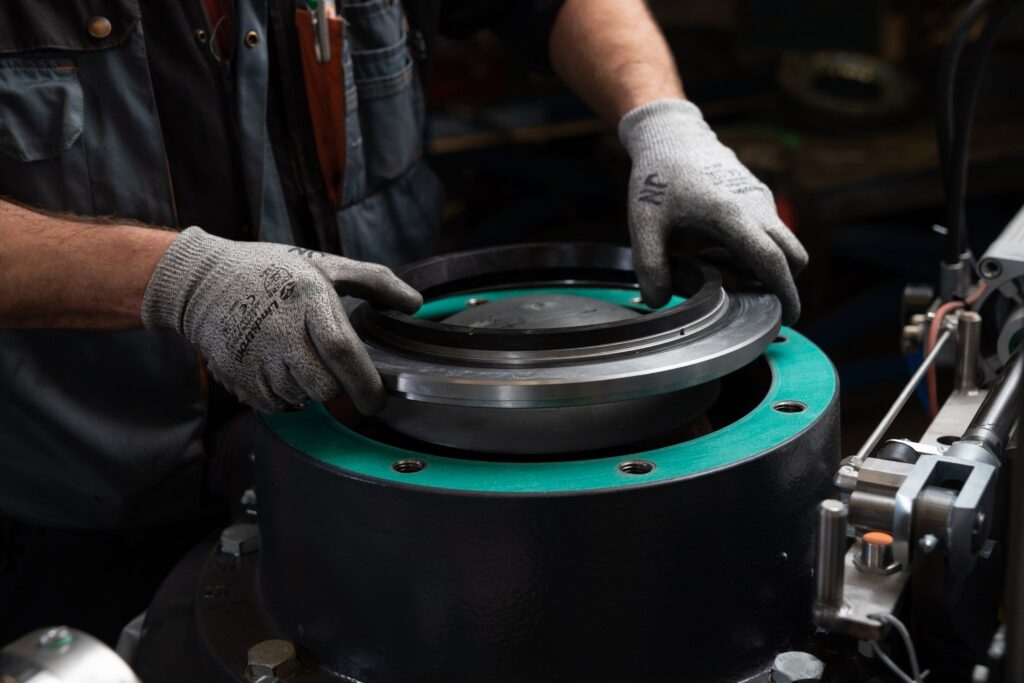
The maintenance of a dome valve is simple and straightforward. Valve replacement can be completed within an hour, reducing downtime and improving plant efficiency. This is particularly important in industrial environments where downtime can be costly.
Servicing is also easy, and changing inflatable seals is a straightforward job. This reduces maintenance costs and improves plant reliability.
Summary
The dome valve is a reliable and durable solution for many industrial applications. Its simple but effective operating principle, excellent sealing performance and easy maintenance make it an excellent choice for demanding applications. We hope that this article has provided a comprehensive overview of the operation and benefits of dome valves.
If you have any questions or need more information, please do not hesitate to contact us.

You have a challenge that needs solving?
Let us help! Contact us for more information about our products and services.