
Silica Flux Injection System
Copper smelting processes can vary significantly depending on the characteristics of the copper concentrate being processed. If the concentrate contains high levels of impurities, these must be removed during the smelting process. In such cases, pressure injection is a particularly effective method for accurately and safely introducing various additives into the molten copper to improve the composition of the melt.
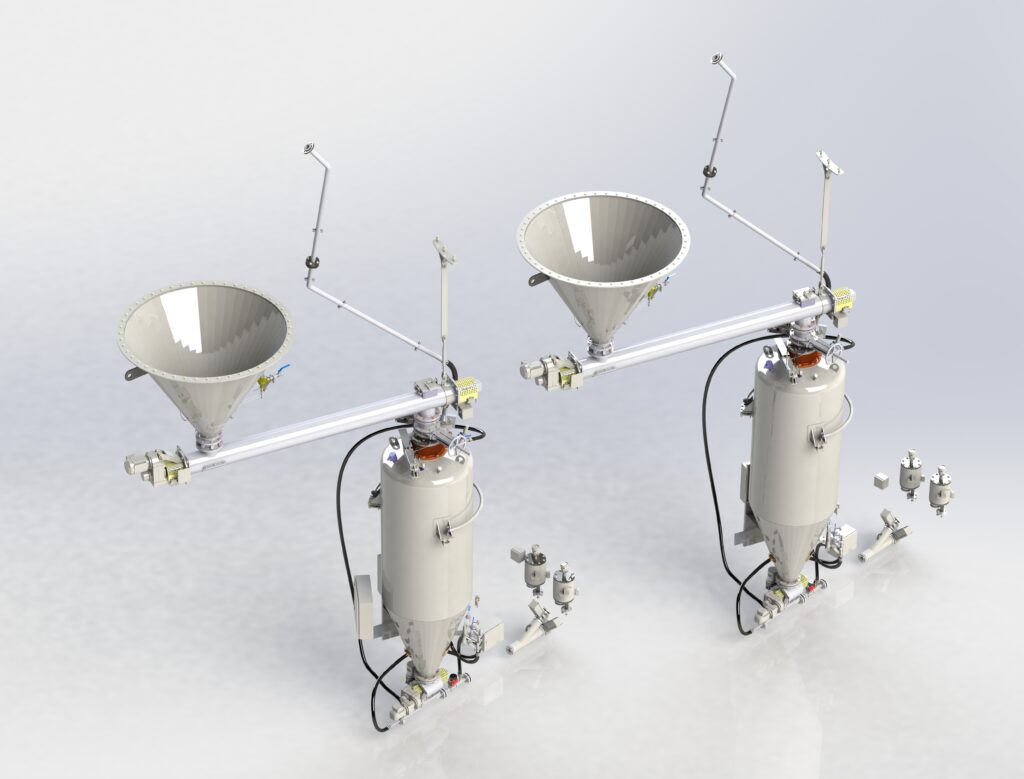
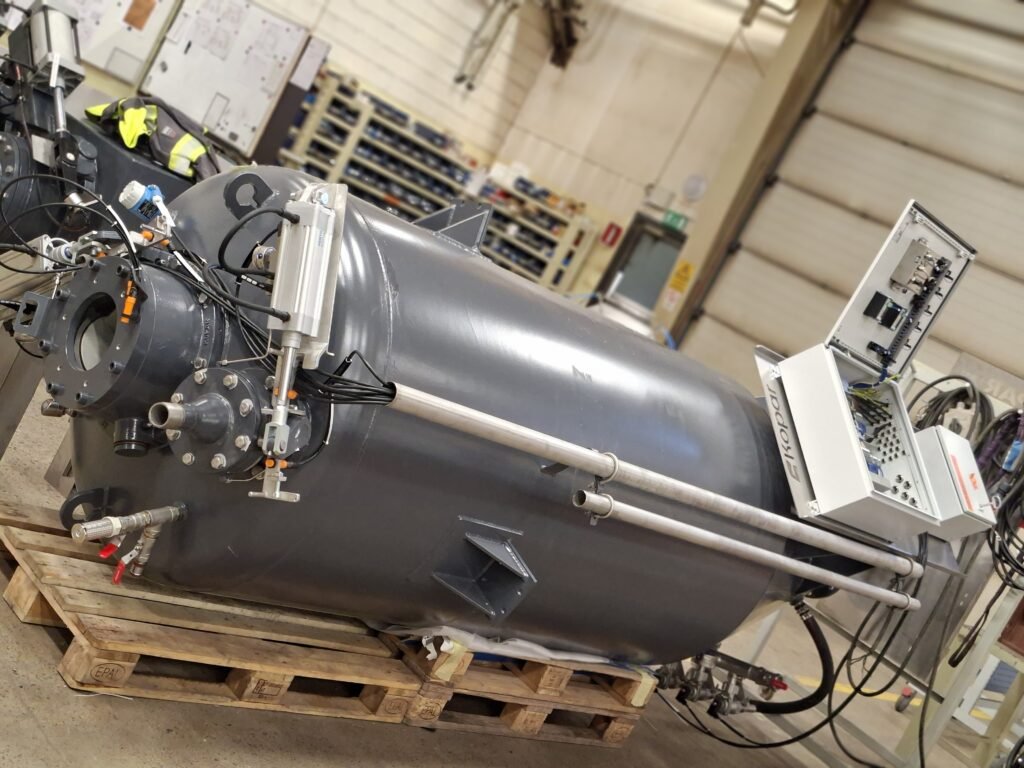
The composition of molten copper can be modified by injecting various solid materials, such as silica, directly into the melt. This is the case at a new copper smelter in Central Asia, where Kopar supplied two pressure injection systems in 2026. In this process, lead is removed from copper matte during anode furnace treatment by injecting silica sand into the molten bath.
The scope of delivery:
- Fluidisation cones
- Screw conveyors
- Pneumatic conveyors ELMO3000
- Rotary feeders
- Y-branches and terminal boxes
Reference details
-
Industry sectorMetals & Minerals
-
LocationAsia
What was included in the package?
Injection
Kopar on kehittänyt paineinjektointijärjestelmän, jolla jauhemaisia materiaaleja syötetään hallitusti metallisulaan. Ratkaisua käytetään sekä kupari- ja nikkelisulatoissa että terästeollisuudessa, ja se on suunniteltu…
Discover our other projects too
Drag chain conveyors for metal recovery plant
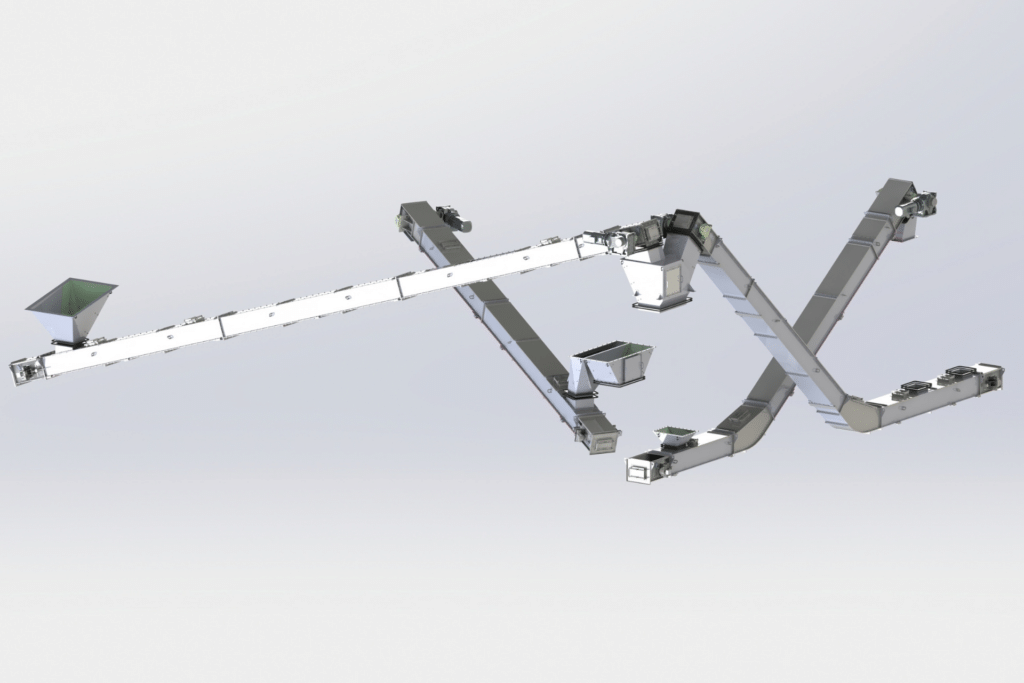
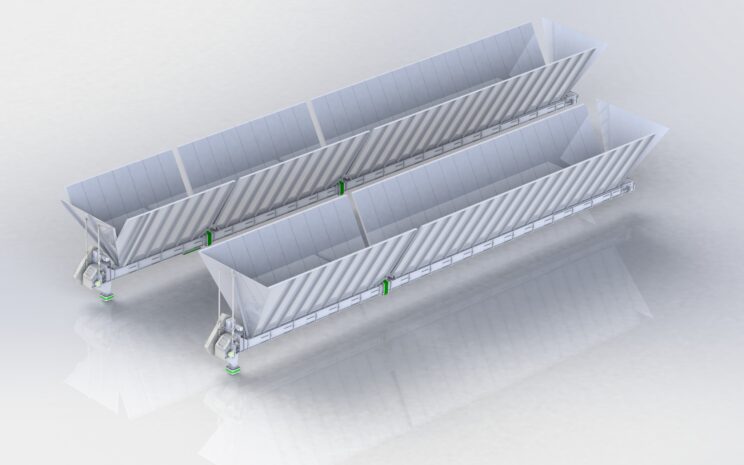
Four drag chain conveyors were supplied to a metal recovery plant for handling dusty and abrasive alkaline slag generated in steel production.
Converter dust conveying
We supplied two chain conveyors for the collection and transportation of metallurgical converter dust at a copper smelter in Chile in 2026. Demanding conditions and strict quality regulations led Codelco El Teniente to once again choose Kopar's robust chain conveyors, which are designed taking into account the special needs of smelters.
Solid carbon handling in a hydrogen production plant
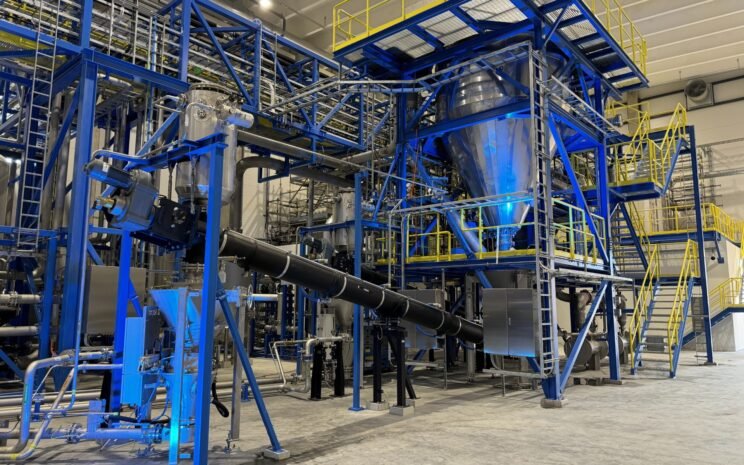
We delivered equipment for the safe handling of solid carbon to Europe's largest hydrogen production plant based on methane pyrolysis.
Cooling of the copper alloy
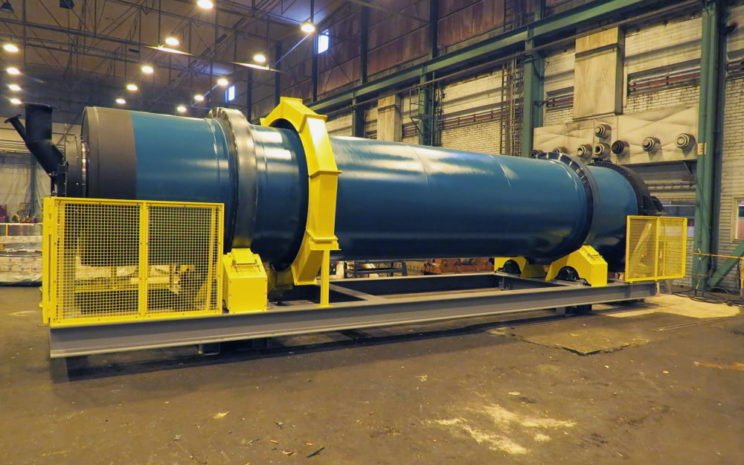
A cooling drum for copper calcine was delivered to KGHM's Głogów smelter in Poland in 2016. The cooling drum is fed with 20 t/h of copper calcine at a temperature of approximately 450°C. The drum cools the material down to approximately 130°C.