
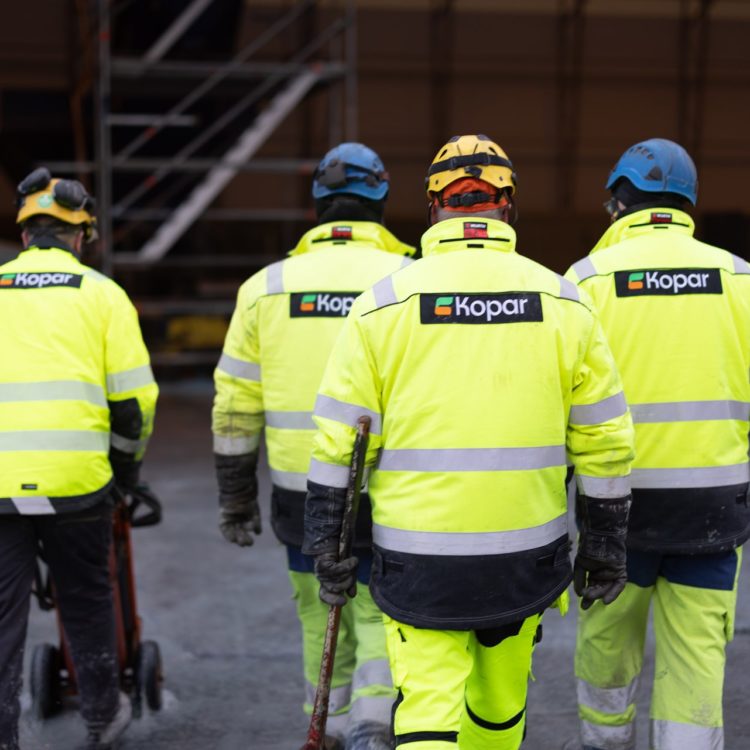
Ensuring the safety of a Waste Heat Boiler (WHB) requires a holistic approach that includes personnel protection, technical risk management and continuous monitoring. Taking safety factors into account is critical for both the well-being of workers and the continuity of production. This article discusses the key aspects of WHB safety and how they are implemented in practice.
What is WHB and why is security critical?
Waste Heat Boiler (WHB) is a waste heat recovery system that uses high-temperature flue gases from industrial processes to produce steam. Safety is critical in WHB operations because the system deals with high temperatures, pressures and potentially hazardous materials.
WHB systems operate in extreme conditions, which makes safety design a priority. The system is constantly exposed to high temperatures, pressure differentials and chemical stresses that can cause equipment damage or incidents without proper safety measures.
Taking safety factors into account is essential to protect staff from serious injury and to ensure continuity of production. Failures in the WHB system can bring the entire production process to a standstill, resulting in significant economic losses and possible environmental impacts.
What are the main security risks for WHB?
The main safety risks of WHB systems are related to high temperatures, pressure differentials, dust explosion hazards and mechanical damage. These risks can cause serious personal injuries and production stoppages if not properly managed.
Thermal risks arise when WHB processes flue gases, which can reach temperatures of several hundred degrees Celsius. Pipe bursts or seal leaks can expose personnel to burns or vapour pressure surges. Pressure differentials in the system cause mechanical stress which can lead to structural damage.
The risk of dust explosion occurs when fine particles accumulate in the system and form explosive mixtures with air. This risk is particularly significant in metallurgical processes where combustible dust is handled.
Ergonomic disadvantages are related to maintenance and inspection work in difficult-to-access areas. Identifying risks requires regular safety audits and training of staff to identify hazards.
How is staff safety ensured in WHB activities?
Ensuring staff safety in WHB processes comprehensive training, appropriate protective equipment and safe working practices with a combination of. A culture of safety at work is built through continuous training and risk awareness.
The training programmes cover the principles of WHB systems, hazard identification and emergency management. Staff must understand the critical points of the system and be able to act safely in all work situations. Regular refresher training ensures that information is kept up to date.
Personal protective equipment is selected according to the requirements of the job and includes heat-resistant clothing, respirators, goggles and safety footwear. Protective equipment is checked regularly and replaced as necessary.
The development of safe working practices is based on risk assessment and documentation of best practices. Work instructions are regularly updated and staff are involved in safety development. Prevention of incidents requires proactive action and constant vigilance.
What technical safety solutions are needed for WHB installations?
The technical safety solutions of WHB systems are based on automatic control systems, emergency stop mechanisms and protective structures, which prevent incidents and minimise their consequences. Equipment safety complies with international standards and requirements.
Automatic monitoring systems continuously monitor critical parameters such as temperature, pressure and flow rates. The systems alert you to anomalies and can trigger automatic protective measures to prevent dangerous situations.
Emergency shutdown mechanisms allow the system to be shut down quickly in emergencies. These systems must be located in easily accessible places and tested regularly. Safety switches and valves shall operate reliably under all conditions.
Protective structures prevent personnel from entering hazardous areas and protect against hot surfaces. Insulation and protective enclosures reduce burns and exposure to harmful substances. Explosion protection is provided by pressure relief valves and explosion-proof structures.
How is WHB security continuously monitored and maintained?
Continuous maintenance of WHB security requires regular inspections, preventive maintenance and documented risk management. Safety audits and systematic monitoring ensure that safety levels remain high throughout the lifecycle of the system.
Regular inspections cover all critical system components and safety equipment. The inspection programme includes daily rounds, weekly operational tests and annual in-depth inspections. Inspection results are documented and deviations are corrected immediately.
Predictive maintenance is based on continuous monitoring of the condition of systems and replacing components before they fail. Maintenance programmes are tailored to the operating conditions and manufacturers' recommendations. Stocks of critical parts are maintained to minimise breakdowns.
Safety audits are regularly carried out by external experts. The audits assess the effectiveness of safety systems and identify areas for improvement. Risk management is integrated into daily operations and the development of a safety culture is an ongoing process.
You have a challenge that needs solving?
Let us help! Contact us for more information about our products and services.