

Definition of modernisation in industry
Modernisation in industry means upgrading processes and technologies to better meet modern requirements and market expectations. This often includes introducing new equipment, streamlining production lines and integrating digital solutions into business processes. Modernisation is a key factor in maintaining the competitiveness of companies, allowing them to produce more efficiently and respond to market changes.
In many industries, modernisation is essential for companies to remain competitive and to offer their customers high-quality products. This not only improves their internal efficiency, but also supports their ability to meet external challenges such as environmental requirements and increasing energy efficiency.

The role of technology in modernisation
Technological innovations such as automation and digitalisation are at the heart of modernisation. Automation enables production processes to be speeded up and errors reduced, improving product quality and reducing costs. Digitalisation, on the other hand, enables more efficient management of information flows, improving the accuracy and speed of decision-making.
These technologies allow companies to use data more effectively, supporting strategic planning and foresight. However, modernisation is not just about adopting technology, it also involves changing the organisation and culture to support new ways of working.
Benefits and challenges of modernisation

The benefits of modernisation are manifold. Companies can achieve significant cost savings through more efficient processes and improved energy efficiency. Quality control is improved, leading to better quality products and increased customer satisfaction. In addition, modernisation improves the flexibility and responsiveness of the company to market changes.
However, modernisation also brings challenges. Investment costs can be significant, and resistance to change within an organisation is a common problem. It is important to plan modernisation projects carefully and to communicate the benefits of change clearly throughout the organisation in order to engage all parties in the process.
Examples of modernisation in different industries
Many industries have experienced the benefits of modernisation in a tangible way. In the metalworking industry, for example, the introduction of automation has enabled a significant improvement in the efficiency of production lines. This has led to higher production capacity and better product quality.
Another example is the energy sector, where digitalisation has made it possible to optimise energy use and improve environmental performance. This not only reduces costs, but also supports sustainability, which is increasingly important in today's industry.
The role of the copier in industrial modernisation
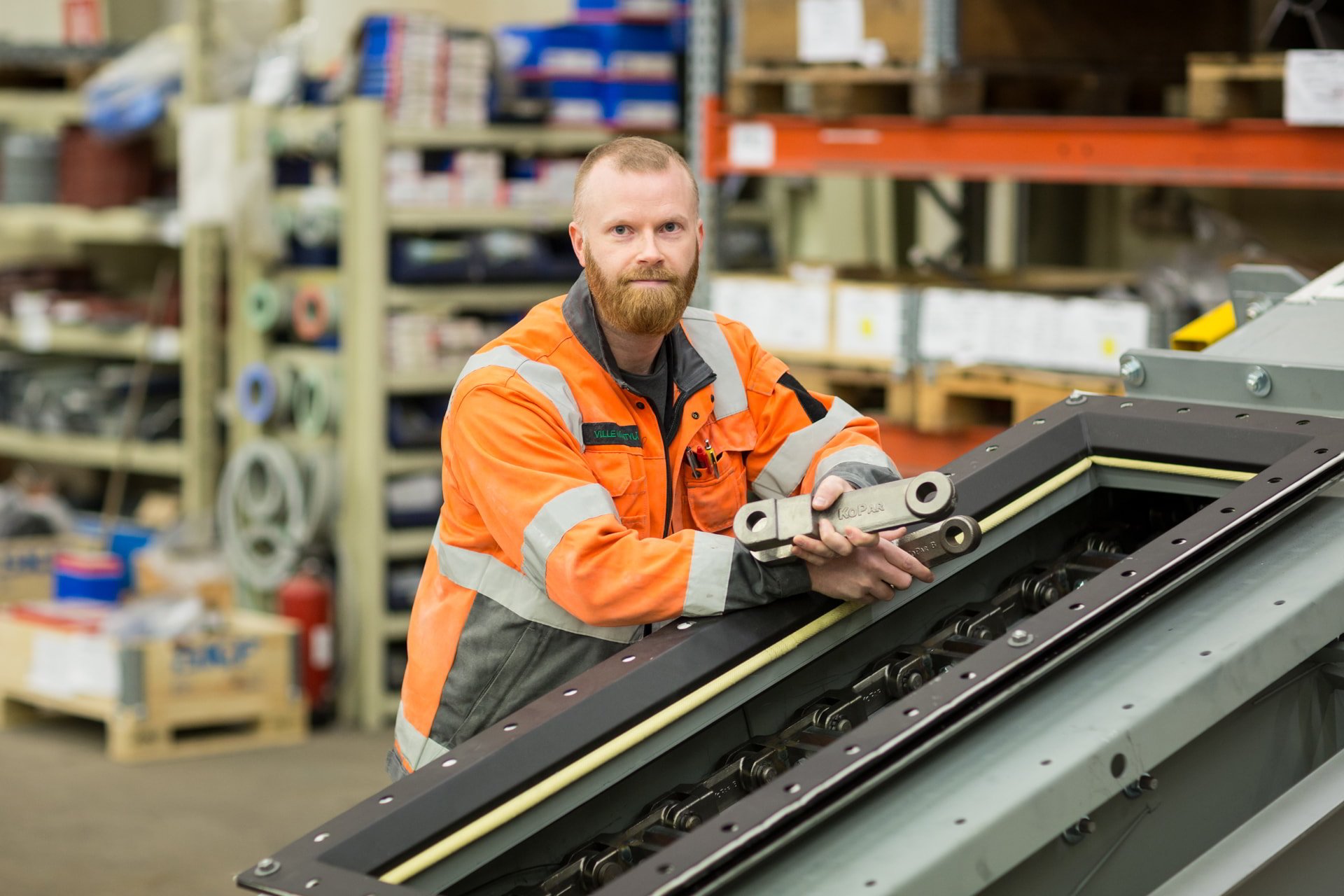
We are committed to supporting industrial modernisation by providing high-quality solutions for material handling and transport. Our tailor-made solutions ensure that our customers get the most out of their production and can contribute to the green transition of their processes.
We have developed innovative technologies that improve energy efficiency and reduce the need for maintenance. This allows our customers to focus on their core business and gain a competitive advantage in the market. Modernisation is key to the future of industry and we are proud to be part of this transformation by providing cutting-edge solutions.
You have a challenge that needs solving?
Let us help! Contact us for more information about our products and services.