
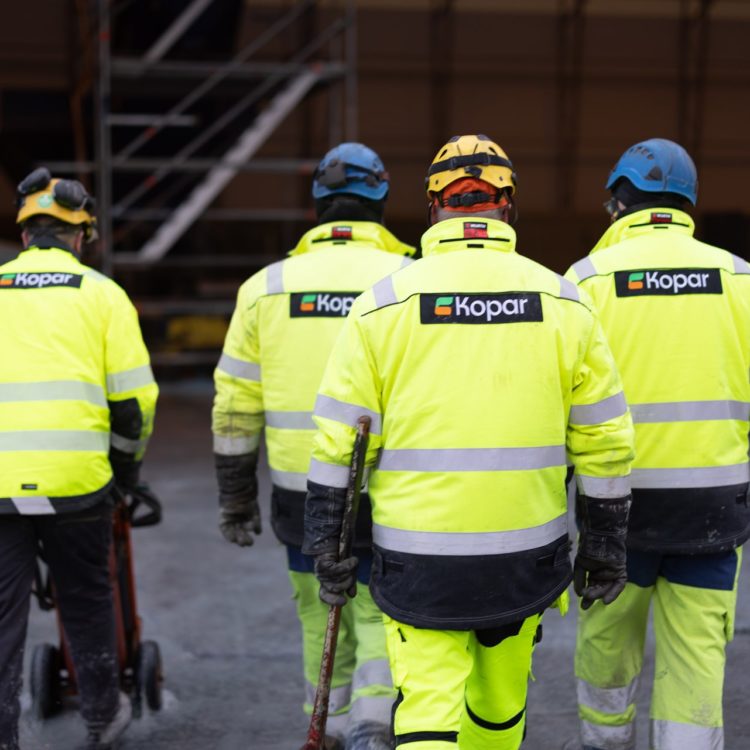
In cooling boilers, effective control of dust removal and temperature management is crucial to ensure optimal operation and longevity. The primary objective of dust removal is to maintain boiler efficiency and prevent damage by removing particles that can accumulate and degrade performance. Temperature control is vital to achieve maximum heat removal efficiency and ensure operational safety. Prioritising dust removal over temperature control is essential as it directly affects the efficiency of temperature control processes. Understanding these differences will help optimise boiler operation and improve overall system performance.
What is the primary function of dust removal in cooling boilers?
Dedusting in cooling boilers is vital to maintain efficiency and prevent damage. Dust particles, often from high-temperature gases, can stick to boiler components, causing wear and reducing heat transfer efficiency. Effective dust removal methods, such as electrostatic filters or fabric filters, trap these particles, ensuring that the boiler runs smoothly and efficiently. By preventing dust build-up, we can improve boiler lifetime, minimise maintenance costs and reduce the risk of unexpected failures.
Dust particles can block the heat exchange surfaces of the boiler, which can lead to overheating and possible damage. In addition, dust can promote corrosion, which further weakens the system. It is crucial to implement robust dust removal systems to prevent these problems. Advanced technologies such as filter bags and cyclones provide effective solutions by capturing and removing particles before they settle on critical components.
How does temperature control affect the operation of the cooling boiler?
Temperature control is essential to optimise the efficiency and safety of cooling boilers. Proper temperature control affects heat recovery efficiency, ensuring that maximum energy is extracted from waste gases. It also protects against excessive temperatures that could damage equipment. Techniques such as automatic control systems and heat exchangers are used to regulate temperature efficiently, maintaining a balance for effective operation.
Poor temperature control can lead to inefficiency and increased operating costs. For example, if the temperature is too high, it can lead to material deterioration or safety risks. On the other hand, if it is too low, it may not recover enough energy. Therefore, technologies such as advanced sensor networks and thermocouple sensors are used to continuously monitor and adjust temperatures, ensuring optimal conditions are maintained in the system.
Why is dust removal critical before temperature control?
Prioritising dust removal before temperature control is essential because it directly affects the efficiency of temperature control processes. Dust can isolate heat transfer surfaces, making temperature control challenging and inefficient. By ensuring a clean environment in the boiler, temperature control mechanisms can operate optimally, improving both energy recovery and equipment safety.
Dedusting also contributes to better performance of temperature control systems by preventing blockages and reducing wear on parts. This sequence ensures that the system operates at peak efficiency, reducing the risk of downtime and extending boiler life.
What are the common challenges in dust extraction and temperature control?
The challenges of dust removal and temperature control are often due to the complex operation of the cooling boilers. Common problems include inefficient dust collection, which can lead to system blockages and reduced efficiency. In addition, fluctuating temperatures can cause thermal stress and material fatigue. Troubleshooting techniques include regular maintenance, installation of advanced filtration systems and the use of robust temperature monitoring tools to mitigate these challenges.
Preventive measures such as routine inspections and advanced monitoring technologies are crucial to identify potential problems early. By taking a proactive approach, operators can address problems before they escalate, ensuring that the system remains operational and efficient.
How can Kopar improve dust removal and temperature control in cooling boilers?
At Kopar, we use our expertise in designing and manufacturing high-quality equipment to improve dust removal and temperature control in cooling boilers. Our solutions are tailored to optimise the performance of industrial systems, ensuring efficient dust collection and precise temperature control. By combining advanced technologies and innovative designs, we help customers achieve greater operational efficiency and sustainability.
For example, our successful implementations have shown significant improvements in energy recovery and reduced maintenance requirements. By focusing on customised solutions, we ensure that each system is equipped to handle specific operational requirements, resulting in improved performance and reduced environmental impact.
The future of boiler optimisation
The future of cooling boiler optimisation lies in continuous innovation and the integration of cutting-edge technologies. By focusing on advanced dust removal systems and precise temperature control mechanisms, we can significantly improve the efficiency and durability of industrial processes. As industry strives for greener operations, the role of efficient cooling boilers becomes increasingly critical.
Key lessons learned include the importance of prioritising dust removal, the impact of effective temperature management and the need for continuous monitoring and maintenance. By staying ahead of technological advances and industry trends, operators can ensure that their systems remain efficient and environmentally friendly. This commitment to innovation not only improves operational performance, but also contributes to a more sustainable future for industrial processes.
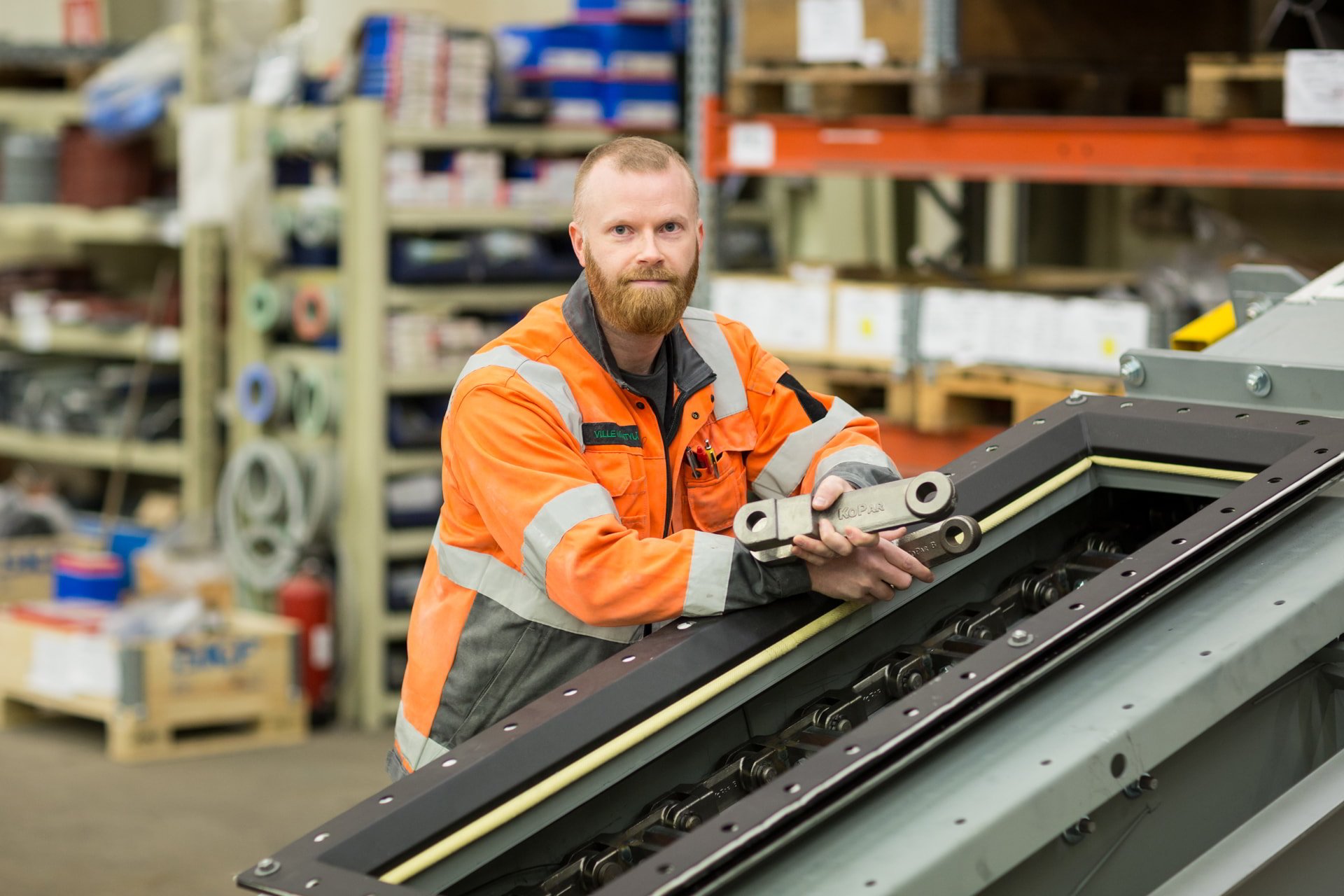
You have a challenge that needs solving?
Let us help! Contact us for more information about our products and services.