
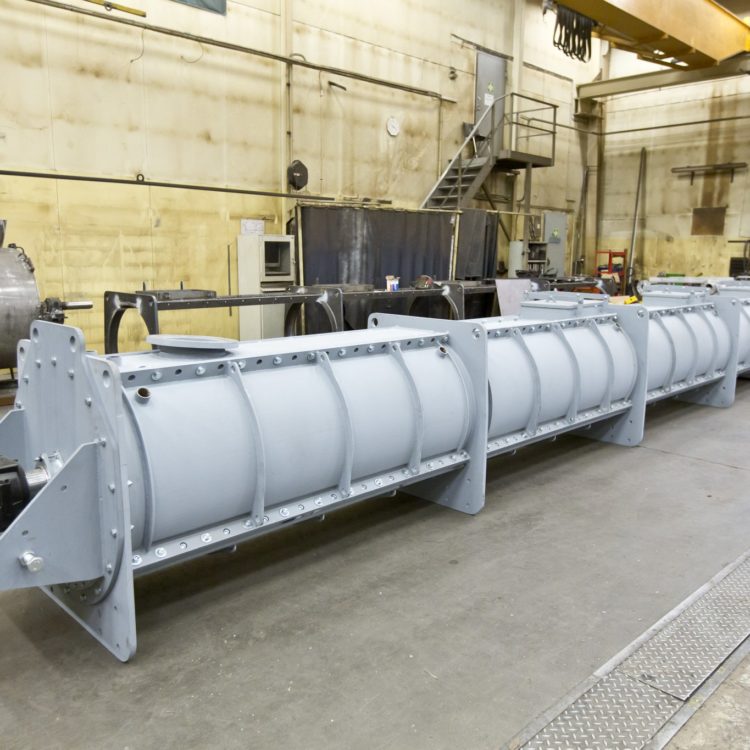
The safe transport of combusted products is a key part of industrial logistics processes, especially in the energy industry. At Kopar, we have developed solutions to ensure that the logistics of combustible materials are handled efficiently and safely. This article discusses how to ensure safe transport, the steps in the transport process, the risks involved in transporting burnt products, how to minimise the risks, the specific requirements for transport and how to continuously monitor the safety of transport.
How is safe transport ensured?
Safe transport starts with careful planning and risk assessment. It is important to understand the characteristics and potential hazards of the material being transported. This knowledge will help you choose the right transport methods and equipment to reduce risks and ensure safety.
At Kopar, we use advanced technologies and innovative solutions specifically designed for the transport of burnt products. These solutions include efficient cooling systems that prevent the material from overheating during transport.
What are the steps in the transport process?
The transport process starts with the preparation of the material, which includes proper packaging and labelling. This stage is critical to ensure that the material is protected from external factors and that it is safe to handle.
Next, the material is transferred to a means of transport chosen for its specific characteristics. The choice of the means of transport is important as it directly affects the safety and efficiency of the transport.
Finally, the material is delivered to its destination, where it is unloaded and properly treated. Each of these steps is designed to minimise risk and ensure safety throughout the transport process.
What are the risks of transporting burnt products?
There are several risks associated with transporting burnt products, such as overheating, ignition and environmental pollution. These risks can cause serious damage to both people and the environment if not properly managed.
Overheating is a particularly significant risk as it can lead to ignition of the material. This risk underlines the importance of efficient cooling systems that keep the temperature of the material under control throughout the transport.
Environmental contamination is another major risk that can result from spillage or improper handling of the material. This risk can be minimised by using appropriate packaging and transport methods to prevent the material from escaping into the environment.
How to minimise risks
Risk minimisation starts with careful risk assessment and planning. We use advanced technologies and innovative solutions specifically designed for transporting burnt products.
Efficient cooling systems are a key part of risk minimisation, as they prevent material overheating and ignition. We also use special packaging methods to protect the material from external factors and prevent leakage into the environment.
We also regularly train our staff to ensure they are aware of the latest safety standards and practices. This ensures that all parts of the transport process are carried out safely and efficiently.
What are the specific requirements for the transport of burnt products?
The transport of combustible products imposes specific requirements relating to the characteristics of the material and the potential hazards. These requirements include, among others, proper packaging and labelling of the material to ensure safe handling.
The choice of the means of transport is also important, as it directly affects the safety and efficiency of the transport. The means of transport must be designed to prevent overheating and ignition of the material.
How to monitor the safety of transport at all times?
Continuous monitoring is an essential part of ensuring transport safety. This can be achieved by using advanced monitoring systems that monitor material temperature and other critical parameters throughout the transport.
Monitoring systems can also provide alarms if the temperature of the material becomes too high or if other anomalies are detected. This allows for rapid response and risk management before they cause serious problems.
Regular inspection and maintenance are also important to ensure that the transport equipment and systems are always working optimally. This ensures that the transport process is safe and efficient from start to finish.
You have a challenge that needs solving?
Let us help! Contact us for more information about our products and services.