
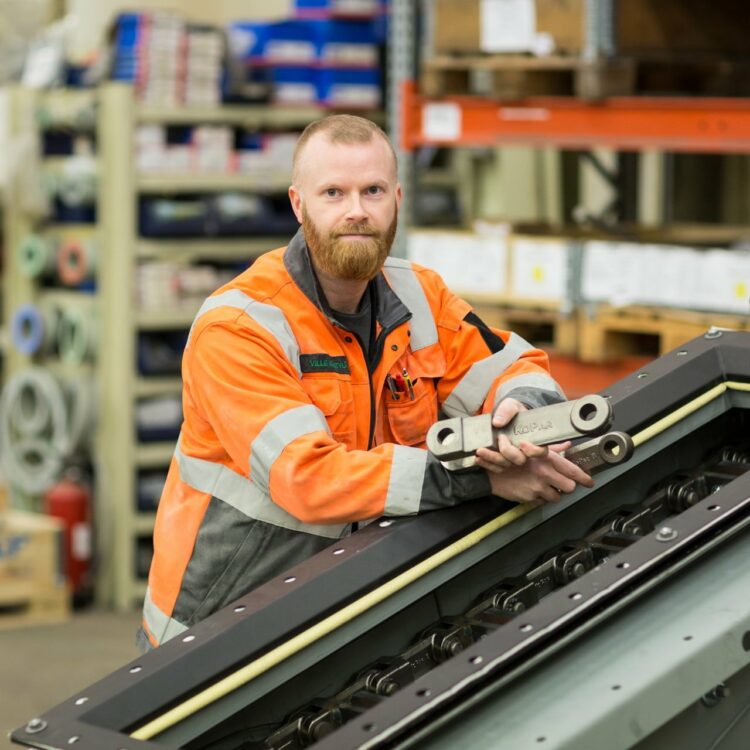
The role of modernisation in industry
Industrial modernisation is a key factor in maintaining and improving competitiveness. In today's fast-paced world, companies are under increasing pressure to improve production efficiency and effectiveness. Modernisation offers an opportunity to meet this challenge by optimising processes and reducing costs. This leads not only to higher productivity but also to higher quality products and services.
Modernisation also allows industrial companies to adapt to changing market requirements and consumer expectations. Continuous technological progress brings new opportunities and innovations that can help companies to remain competitive. Improving efficiency and productivity is therefore a key objective of modernisation and requires companies to be prepared to invest in both technology and human capital.
Technological innovations as enablers of modernisation
Artificial intelligence and automation are examples of technological innovations that contribute to the modernisation of industry. AI can analyse large amounts of data quickly and accurately, enabling process optimisation and improved decision-making. In turn, automation reduces human error and improves the efficiency of production lines, leading to better use of resources.
Technology can also be used to improve predictive maintenance. Sensors and IoT devices continuously collect information on equipment operation, enabling predictive maintenance. This reduces unexpected downtime and extends the life of equipment. Integrating these technologies into industrial processes is at the heart of modernisation and requires companies to be prepared to invest in new solutions.
The role of the copier in industrial modernisation
Kopar is dedicated to modernising industry by providing innovative solutions for material handling and transport. Our company focuses on optimising industrial processes by improving energy efficiency and reducing the need for maintenance. Our goal is to reduce the environmental burden on industry by providing sustainable and high-performance solutions.
We have long experience and expertise in handling demanding materials. This makes us at the forefront of industrial modernisation. We offer tailor-made solutions that help our customers maximise the benefits of their production and move towards greener industry. Innovation and continuous improvement are key principles for us, and we strive to continuously improve the solutions we offer.
Barriers and challenges to modernisation
The modernisation process is not without its challenges. One of the main obstacles is the cost, which can be considerable. Investing in new technologies and systems requires financial resources, which can be a barrier, especially for smaller companies. In addition to costs, skills shortages can slow down the modernisation process, as new technologies often require new types of expertise.
Resistance to change is another common challenge. Organisations often find it difficult to adapt to new processes and technologies, which can slow down modernisation. This requires effective change management and staff training. It is important to communicate the benefits of modernisation clearly to all stakeholders and to create a culture that supports continuous learning and development.
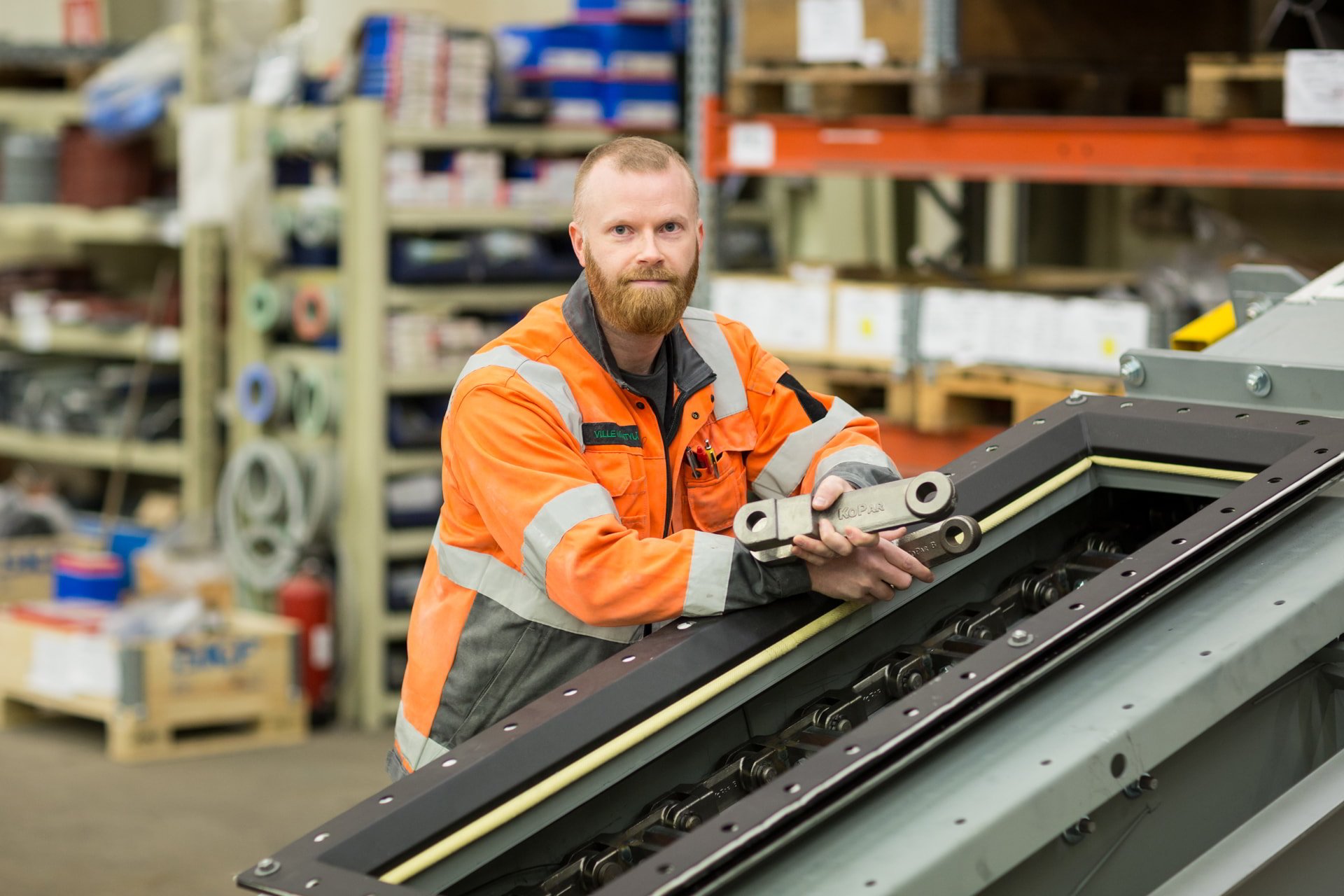
You have a challenge that needs solving?
Let us help! Contact us for more information about our products and services.